
Happy Saturday, everyone! I’m slowly getting my studio (aka my office) set up to look halfway decent, so when I share some facts with you, it’s not a total eyesore—well, aside from having to look at my mug and listen to my voice. Today, I’m diving into the supplements I take daily. These are staples […]
The post My Daily Supplements Routine: What I Take, Why, and How I Keep It Intentional appeared first on Double Edge Fitness.
Hey there, fitness fam! Recently, one of our community members hit me with a great question that I think a lot of you might relate to: “I’ve been working out at 7 a.m., but since starting a calorie deficit to lose weight, I feel sluggish and don’t have the same ‘go’ I used to. Any […]
The post How to Stay Energized for Workouts on a Calorie Deficit appeared first on Double Edge Fitness.
Meet Cassie Wellock: The Preventative Health Pro Cassie’s no stranger to medicine. With a background in internal and family medicine in Reno, she’s spent over a decade helping patients aged 12 and up. Now, she’s teamed up with her husband to launch Vertical Primary Care within Double Edge Fitness. Their mission is simple but bold: […]
The post Unlocking Health with Blood Work – A Deep Dive with Double Edge Fitness and Guest Cassie Wellock PA-C appeared first on Double Edge Fitness.
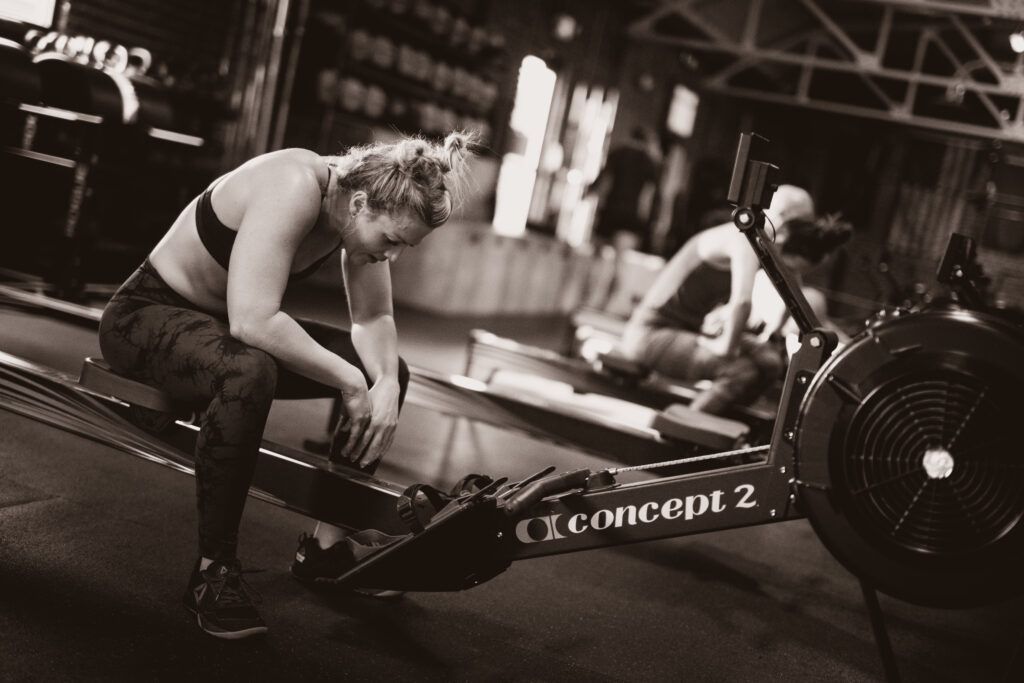
If you’ve ever hopped on a Concept2 rowing machine, you know it’s no joke. That sleek, unassuming piece of equipment can humble even the fittest among us, especially when it comes to the infamous 2,000-meter row. Whether you’re chasing a personal best or just curious about how you stack up, the 2K row is a […]
The post Unlocking the Power of the 2K Row: Times, Fitness, and Why It Matters appeared first on Double Edge Fitness.
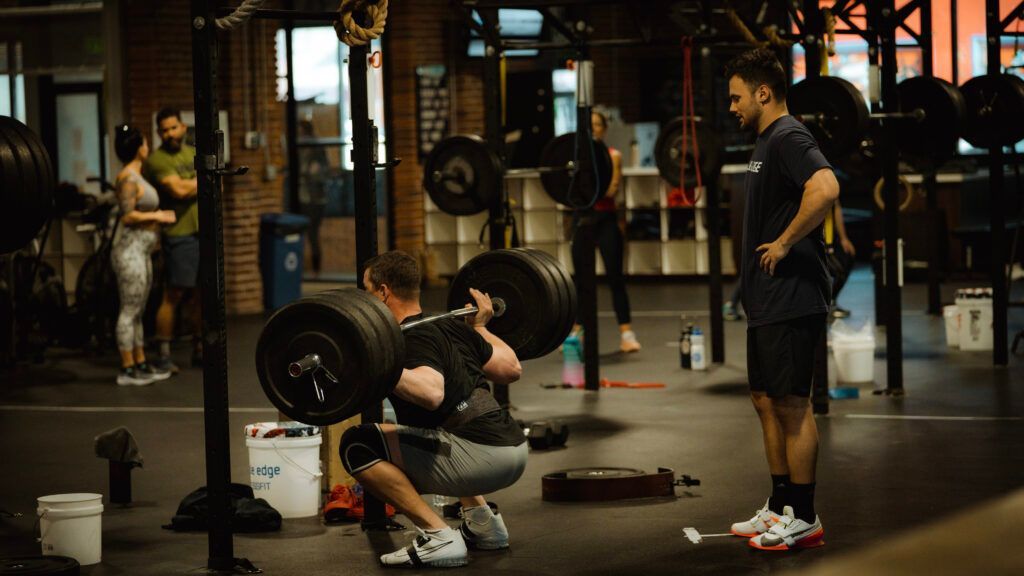
Based on the most current strength and conditioning research available as of February 19, 2025, the debate surrounding squat depth—specifically squatting below parallel (often referred to as “deep squats”) versus squatting only to parallel—has evolved significantly. Research increasingly supports the idea that squatting below parallel, when performed with proper technique, offers notable benefits for knee […]
The post Why Squatting Below Parallel is Best appeared first on Double Edge Fitness.
I’m thrilled to introduce Vertical Primary Care, a Direct Primary Care (DPC) practice built around the belief that healthcare should be accessible, transparent, and focused on you. At Vertical Primary Care, I take a comprehensive approach to your well-being. A DPC model allows me to offer a wide range of services tailored to meet your […]
The post Welcome to Vertical Primary Care: Redefining Your Healthcare Experience appeared first on Double Edge Fitness.
When it comes to transforming your body—whether you’re aiming to lose fat, gain muscle, or both—one nutrient reigns supreme: protein. Often dubbed the “building block of life,” protein plays a central role in almost every process in the body, from muscle repair to metabolic function. Yet, its importance is sometimes misunderstood, particularly in the context […]
The post Why Optimal Protein Intake is Key for Fat Loss and Muscle Gain appeared first on Double Edge Fitness.
“Excellence is not a singular act, but a habit. The small, consistent steps we take every day lead to extraordinary transformation.” At Double Edge Fitness, we believe that striving for excellence is more than just lifting heavier or running faster it’s about becoming healthier, stronger, and more capable in all aspects of life. As we […]
The post Double Edge Fitness: Our 1000lbs 2025 Goal for Excellence in Metabolic Health appeared first on Double Edge Fitness.
The start of a new year brings fresh motivation, big dreams, and the all-too-common resolutions to “get fit” or “start eating healthy.” However, statistics reveal a harsh truth: 80% of New Year’s resolutions fail by February, and nearly 50% of gym memberships go unused after the first month. At Double Edge Fitness, we know how […]
The post New Year’s Health and Fitness Resolutions: Make This the Year You Succeed When 80% of People Fail. appeared first on Double Edge Fitness.
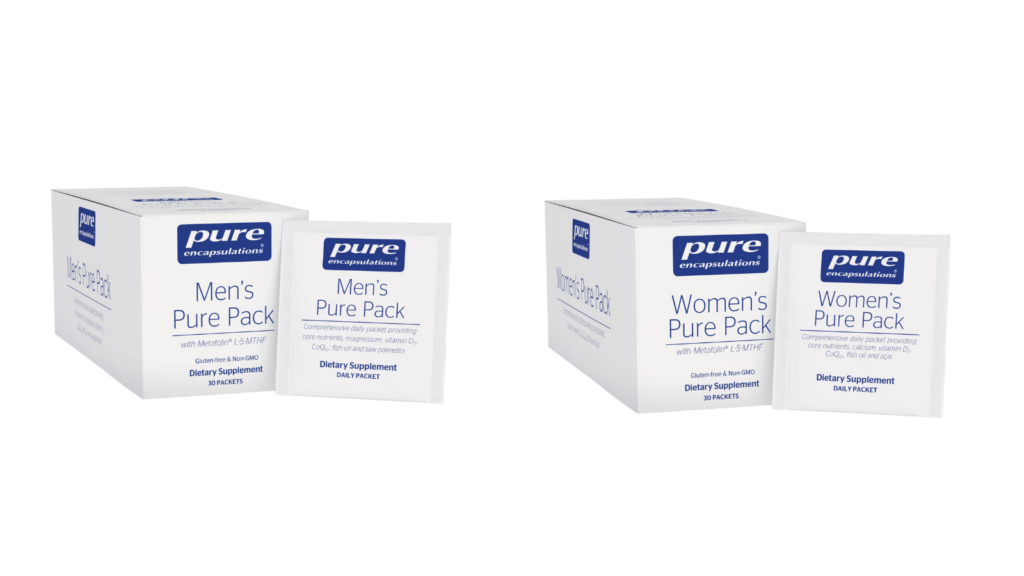
In today’s world, maintaining optimal health isn’t always as straightforward as eating a balanced diet. Even the most health-conscious among us can fall short in meeting all of our nutritional needs due to factors like food quality, soil depletion, and busy lifestyles. That’s where a high-quality multivitamin can make a world of difference. A well-formulated […]
The post The Importance of a Good Multivitamin for Your Health appeared first on Double Edge Fitness.